





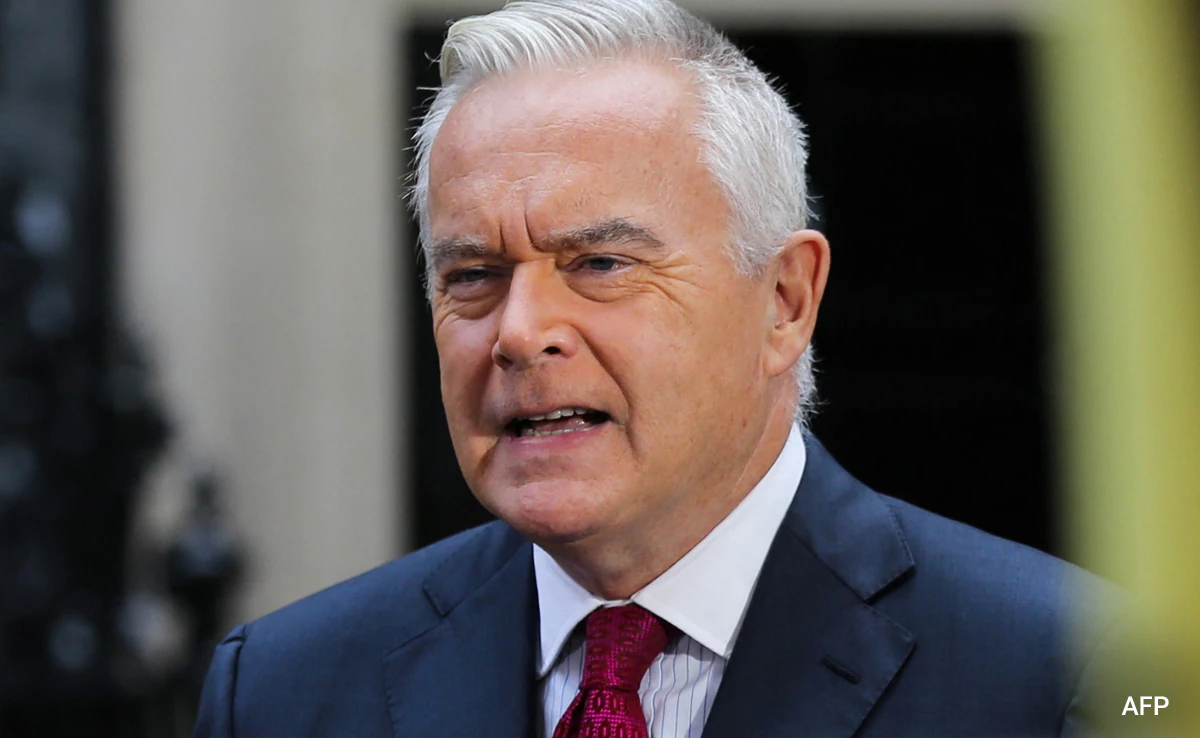
Huw Edwards, the renowned broadcaster and face of BBC News, unearths himself in the middle of a media hurricane inside the United Kingdom. A current article published in The Sun has sparked controversy and raised questions about media ethics, journalistic integrity, and the challenges faced by means of distinguished public figures. This article examines the scenario surrounding Huw Edwards and explores the broader implications for the UK media landscape.
The Media Storm Unleashed
The Sun, a distinguished tabloid newspaper in the UK, posted an article that centered on Huw Edwards, alleging non-public misconduct and irrelevant behavior. The sensationalized nature of the thing, coupled with the general public’s intense interest in excessive-profile figures, quickly ignited a media typhoon, attracting great interest and hypothesis. The incident raises important questions about the balance between press freedom, accountable journalism, and the effect of sensationalism on individuals’ lives and reputations.
Challenges Faced via Public Figures
Huw Edwards‘ enjoy exemplifies the challenges confronted by means of public figures in an era of excessive media scrutiny and the 24/7 news cycle. The pressure to hold a tremendous public image and navigate private and expert barriers has intensified. Public figures often discover themselves vulnerable to invasive reporting and false narratives, which could have great private and professional consequences.
Ethics and Integrity in Journalism
The controversy surrounding Huw Edwards additionally highlights the importance of ethics and integrity in journalism. The role of the media as a gatekeeper of records and a platform for public discourse includes substantial responsibility. The incident increases questions about the want for rigorous truth-checking, adherence to journalistic requirements, and the ability effects of publishing sensationalized stories without sizeable evidence. It prompts a critical examination of the position of media in shaping public belief and the want for duty in the enterprise.
Navigating the Media Landscape
As public figures face the challenges of navigating the media panorama, the incident related to Huw Edwards underscores the need for media literacy and essential intake of information. The public should workout discernment in evaluating the credibility and reliability of statistics supplied by way of various media stores. It additionally requires a more emphasis on accountable reporting, authentic accuracy, and the significance of ensuring that journalistic practices uphold the standards of equity and integrity.
The Broader Implications
The media hurricane surrounding Huw Edwards extends past the man or woman concerned, raising broader questions about the nation of the UK media landscape. It prompts a reflection on the evolving dating among the media, public figures, and the overall public. The incident emphasizes the want for ethical journalism, accountable reporting, and public discourse that fosters a more knowledgeable and engaged society.
Conclusion
The media typhoon surrounding Huw Edwards serves as a reminder of the complicated challenges faced with the aid of public figures within the UK media landscape. It highlights the importance of ethics, integrity, and responsible journalism. As the incident continues to unfold, it calls for an important exam of media practices, public belief, and the need for a more discerning and media-literate society. In an era of heightened media scrutiny, upholding the standards of responsible reporting and ethical behavior is crucial to keeping the integrity of journalism and safeguarding the rights and reputations of people within the public eye.