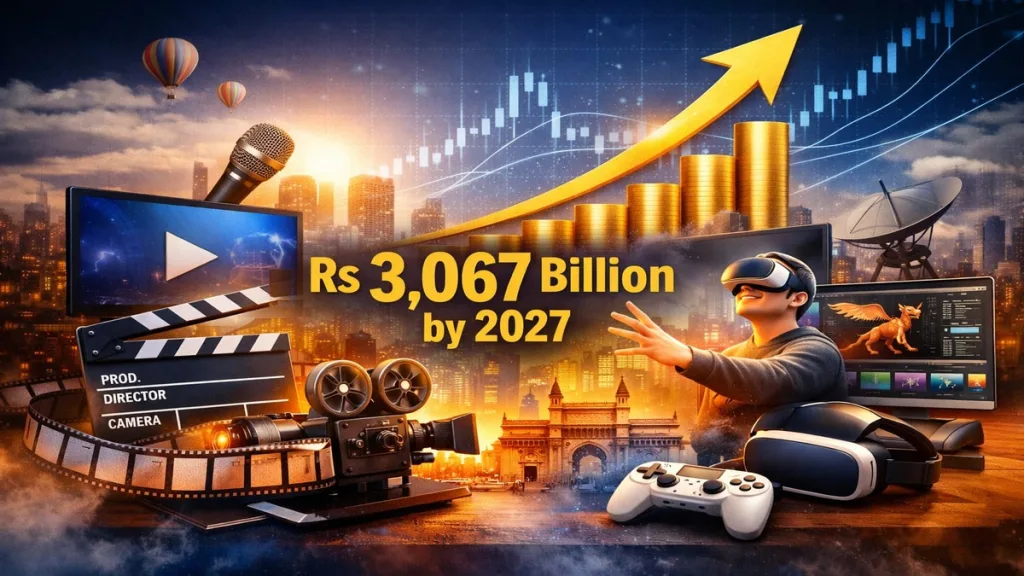





Entertainment in 2026 is having a genuinely global moment, and the traffic is running both ways. Indian stars are landing honours once reserved almost exclusively for Hollywood royalty, while American studios are leaning harder than ever into franchise nostalgia and event television. Meanwhile, back home, Bollywood is in the middle of one of its strongest box office runs in years. Here’s what’s shaping screens and headlines in both the US and India right now.
Bollywood’s Big Year at the Box Office
Indian cinema is having a genuinely strong 2026. Recent releases have been climbing box office charts at a pace that’s caught even industry veterans off guard, with several films posting some of the highest second-weekend collections of the year. Spy thrillers and action-heavy blockbusters continue to dominate, reflecting audiences’ appetite for high-production spectacle on the big screen rather than waiting for a streaming release.
Streaming is playing its own role in extending these films’ cultural footprint. Bollywood titles that performed well theatrically are now topping international Netflix charts in markets like the UAE and Pakistan, showing that Hindi cinema’s audience increasingly extends well beyond India’s borders. Anticipation is already building for sequels to some of this year’s biggest hits, with early looks and teasers generating substantial buzz months ahead of release.
An Indian Star Joins the Hollywood Walk of Fame
In a genuinely historic moment for Indian cinema, a leading Bollywood actress became the first Indian actress ever selected for a star on the Hollywood Walk of Fame, joining an induction class that includes major international names across film, television, music, and theatre. It’s a symbolic but meaningful marker of how far Indian talent has travelled on the global stage, especially for an actress who built a Hollywood career alongside her continued success in Indian films, including major sci-fi epics that became some of the biggest Indian productions in recent memory.
This kind of crossover recognition reflects a broader pattern: Indian actors, directors, and musicians are increasingly treated as global entertainment figures rather than being confined to a regional industry label, and awards shows and international press are taking notice.
Hollywood Leans Into Nostalgia and Franchise Expansion
On the American side, 2026 has been a year of doubling down on familiar intellectual property. A major streaming network is already developing a second season of its flagship fantasy franchise adaptation before the first season has even aired, betting heavily on built-in fan bases. Long-running comedy franchises are bringing back original casts for modern-day parodies, while beloved puppet-based variety shows are being revived with fresh celebrity collaborators to reach new, younger audiences.
Television is also mining true stories for prestige drama, with major limited series in development covering high-profile investigative journalism cases, while established stars are lining up major final roles in acclaimed prestige dramas as those shows wind toward their conclusions. It’s a reminder that even amid the AI and streaming disruption reshaping the industry, well-told human stories remain Hollywood’s most durable export.
Cricket and Entertainment Collide
One of the more distinctive entertainment stories of the year has been the way cricket and Bollywood have merged into a single spectacle. Major cricket tournaments hosted in India have doubled as entertainment showcases, with top playback singers and performers opening high-profile matches at packed stadiums. It’s become a defining feature of Indian sports culture — big cricket moments are now inseparable from big entertainment moments, drawing in audiences who might not otherwise tune in for the sport alone.
What’s Driving These Trends
A few forces are shaping entertainment across both markets. Streaming competition continues to push studios toward safer, IP-driven bets rather than original storytelling, even as some standout original films manage to break through and generate real audience debate. Global audiences are also more connected than ever — a Bollywood release can top charts in the Middle East within days, and an Indian actress’s Hollywood honour generates as much conversation in Mumbai as it does in Los Angeles.
The Takeaway
Entertainment in 2026 doesn’t respect old geographic boundaries the way it once did. Bollywood is exporting its biggest hits to global streaming charts, Indian stars are earning recognition on Hollywood’s most iconic sidewalk, and American studios are borrowing from the same nostalgia-and-franchise playbook that’s driving hits worldwide. For audiences, that means more access to great stories from more places than ever before — and for the industries themselves, it means the competition for attention has genuinely gone global.
Music is following the same pattern. International tours, cross-cultural collaborations, and viral moments on social platforms now travel between the US and India within hours rather than weeks, further blurring the line between what counts as a regional hit and what counts as a global one. If 2026 has proven anything, it’s that entertainment’s biggest wins increasingly belong to whoever can cross borders the fastest.